
panthrondev@gmail.com
09:09:03 September 3, 2026
For many British Muslims, Umrah serves as the first critical milestone on the path to completing Hajj. Umrah, the shorter pilgrimage described here, does not require adherence to the specific time window that binds Hajj, and can be scheduled to depart at almost any point throughout the year.
If you are booking this trip for the first time, the pile of miscellaneous tasks laid out before you will inevitably feel overwhelming: you need to apply for a visa, book international flight tickets, sort out in advance the rituals you will complete locally, pack compliant luggage, and select a suitably located hotel. Every item demands your attention, and it is easy to lose track of the whole process.
This guide will break down every single thing you will encounter from your departure from the UK to your return home, helping you untangle these messy, disconnected chores into a clear, manageable plan.
You can start by selecting an Umrah travel package; for example, the provider SkyFly runs Umrah departures for multiple months each year, with package prices varying by departure date, fluctuating with the travel season and hotel star rating. Once you have chosen a package, you will not need to handle the visa application on your own—the travel agency will process all Umrah visa procedures for you. You only need to prepare several basic documents in advance: first, a passport that remains valid for at least six months from its expiration date, which is a mandatory requirement for entry into Saudi Arabia; you will not be able to complete any procedures if your passport’s remaining validity is insufficient. Second, you will need compliant passport photos. In some cases, you may also be required to provide proof of vaccination; Saudi Arabia typically requires proof of meningitis vaccination for entry, so this document must be prepared properly ahead of time.
Before you fly to Saudi Arabia, it is best to ask your assigned travel service provider for a recommended reading list to supplement your relevant knowledge in advance. The vast majority of travel agencies also host dedicated pre-departure information sessions, where they break down every ritual required for Umrah step by step, explaining everything clearly to avoid the scenario where you encounter these procedures for the first time only after arriving in Makkah, leaving you flustered and unable to focus on completing your trip peacefully.
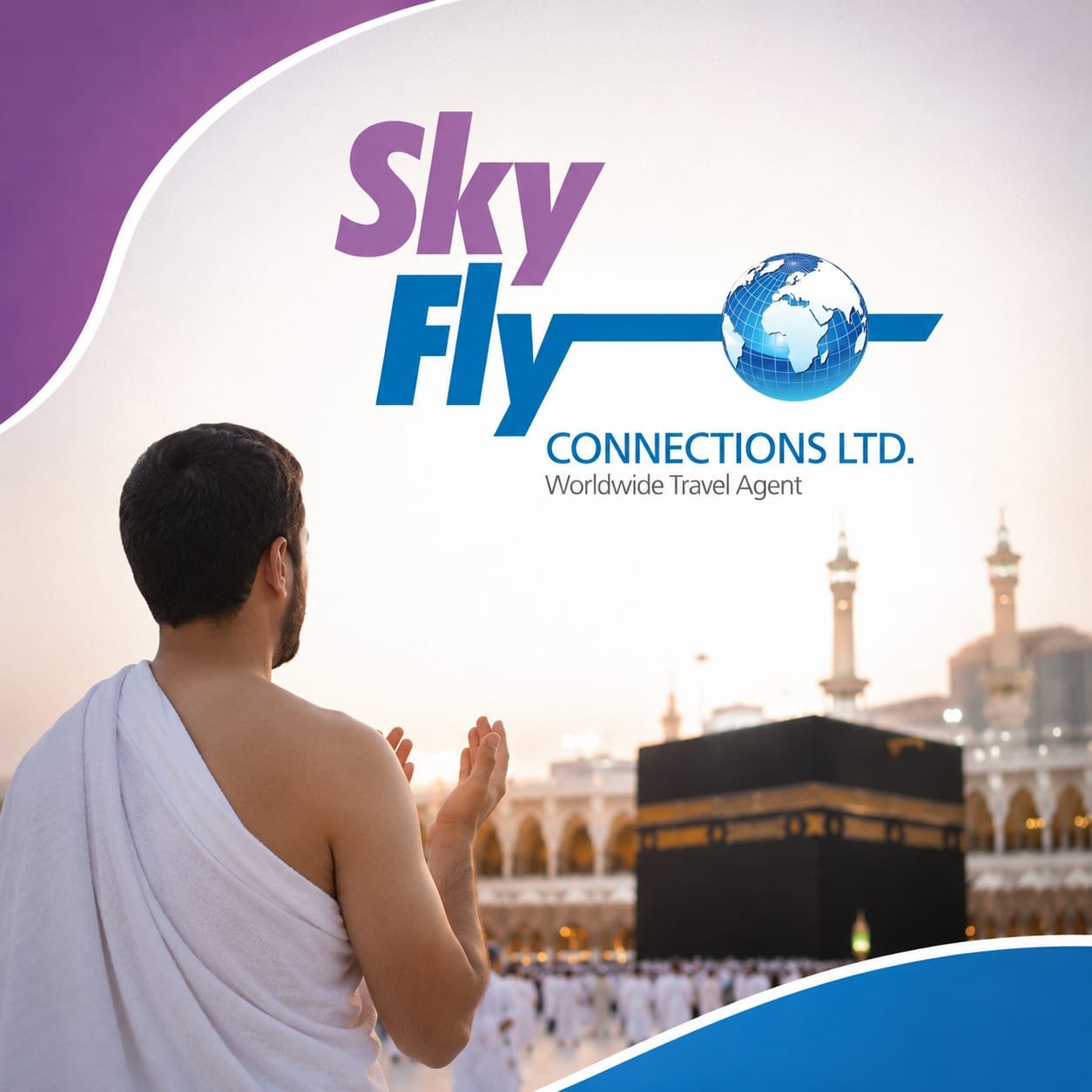
The state of Ihram is not just a set of clothing to wear, but a special spiritual state you enter. When it comes to dress codes, requirements differ by gender: only men are required to wear the specific plain white two-piece set of unstitched cloth. Women do not need to follow this uniform dress requirement, and may simply wear their own choice of modest, loose-fitting clothing. You cannot enter the state of Ihram at just any random time or location; you must first travel to the Miqat, a designated boundary point, before arriving in Makkah, and formally enter the state at this specified location. From the exact moment you enter Ihram, all your actions must abide by the established rules, and you cannot violate any prohibitions: you may not cut your hair, trim your nails, wear perfume, or enter into arguments with others. Every word you speak, every action you take, and every intention you hold must align with the requirements of these guidelines.
Umrah itself consists of a small number of core acts:
On paper, these procedures appear to be just a few simple tasks. But once you set foot on the ground, you will find that crowded throngs of people make it hard to move, the local high heat leaves you dazed, and on top of that, you are overwhelmed by a flood of complex, indescribable emotions from being in the holy sites. Even first-time pilgrims who memorized every step of their guidebooks in advance can easily panic on the spot, unsure of where to go next or what to do.
Before you set off, you must set the right expectations, and do not frame this trip as a casual sightseeing tour. You will experience significant physical exertion throughout the journey; the most stamina-draining parts are Tawaf and Sa’i, which require you to navigate the circumambulation and back-and-forth travel entirely on foot. Do not rely solely on the notes you jotted down in a notebook or memorized ahead of time to get you through the entire trip. Hiring a knowledgeable guide to accompany you will save you a great deal of stress; they can lead you through every singlelink step by step on site, so you do not have to fumble blindly through the process in a panic.
Most UK Umrah packages book hotels that are within walking distance of the Haram in Makkah and Masjid an-Nabawi in Madinah. Many people initially underestimate how important the convenience of this short distance is—you will need to travel to the mosque five times a day for prayers, making this short trip back and forth numerous times. Only after making these repeated trips will you understand how much physical effort and stress you save by staying close. These packages are generally divided into three tiers: 3-star, 4-star, and 5-star. When making your selection, you must first clarify which factor matters most to you: the convenience of walking shorter distances, the comfort of your accommodation, or the cost you can afford, and weigh these priorities before making a decision.
Most itineraries that include a stay in Makkah also arrange an additional period of stay in Madinah after the Makkah portion of the trip is completed. Madinah is home to the Prophet’s Mosque, which contains a site called the Rawdah—a small area located between the mosque’s minbar and the tomb of the Prophet ﷺ, which holds immense spiritual significance. Standard guided city tour itineraries generally include a visit to the Quba Mosque, the first mosque ever built in Islam. The overall atmosphere of Madinah is quieter and has a much slower pace than Makkah. Most first-time pilgrims find that the portion of their trip spent in Madinah is the part of the entire journey that allows them to settle their minds, sort through their thoughts, and reflect deeply.
When packing your luggage, do not overpack; pack only what is necessary. You do not need to stuff every item you think of into your suitcase—only bring the most practical things. The single most important item to prioritize is a pair of well-fitting, broken-in sandals; nothing else compares to their importance. Over the course of your trip, you will be standing and walking for several consecutive hours every day, and a pair of new, blister-causing shoes will leave you too exhausted to attend to the tasks you need to complete. Only pre-worn, comfortable sandals can support you reliably throughout the trip.
Remember to stay hydrated. Zamzam water is readily available to collect anywhere within the Haram precinct, but it is best to also bring electrolyte packets to get through the draining, sweltering local weather. When it is hot, drinking plain water is not enough; supplementing with electrolytes will help you withstand the exertion of spending long hours traveling outdoors.
Print out important duas as physical copies to carry with you, and do not only store them on your phone. Mosque complexes may not have reliable cell service, and your phone battery may also run out of power. If your device shuts down, the reference materials you saved will be inaccessible. A physical copy can be consulted at any time, without fail.
If you have the option, travel with a UK-based team leader. This leader has completed the pilgrimage many times, shares your language, and their ability to help you resolve issues on the ground is invaluable. Especially when navigating queues, keeping to a schedule, or handling last-minute unexpected changes, they can organize everything for you, so you do not have to panic in an unfamiliar environment.
You must book your tickets early: Umrah packages, particularly those that coincide with school holidays or Ramadan, sell out months in advance, and you will not be able to secure a spot if you wait too long.
Umrah is often described as a “dress rehearsal” for Hajj, but for most people, it is a deeply meaningful, unforgettable unique experience in its own right. Many people initially view it only as a practice run before completing Hajj, but once they embark on the trip, they discover that the weight and emotional impact of this journey does not rely on any other experience to hold meaning—it is significant enough on its own to be etched into a lifetime of memories. Planning for this trip inevitably requires arranging a host of logistical tasks in advance: booking a package, securing a visa, packing your luggage, and even reviewing the ritualprocess step by step with your leader ahead of time. While these logistical details of planning your trip are important, they are ultimately meant to serve something far more meaningful than “checking boxes”. You must prepare thoroughly before you depart, but never let the small and large logistical tasks overshadow the original purpose of this journey. Do not get so caught up in cross-referencing your checklist and rushing through all the procedures that you forget to pause and fully experience the true weight of this trip itself—that is the entire reason you set out in the first place.


WhatsApp us